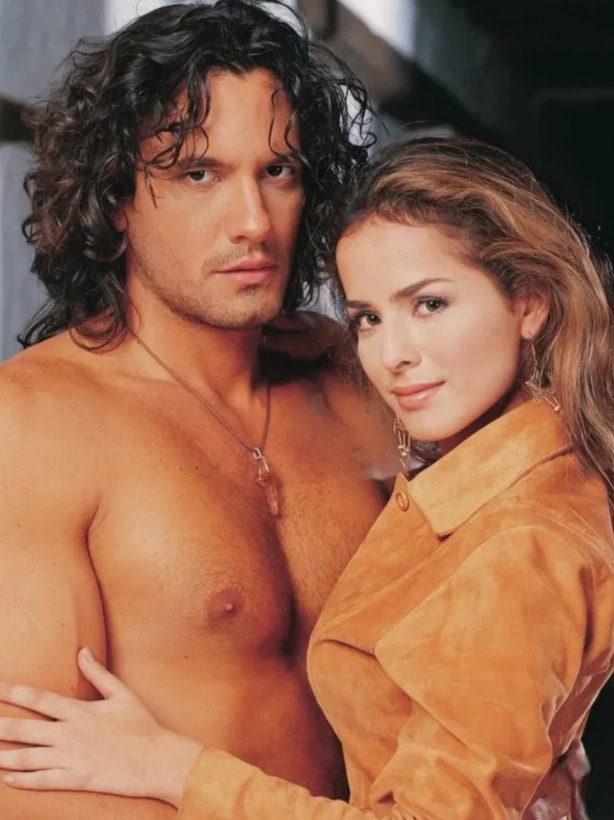
Corazón salvaje (1993) – or Wild Heart – is an 80-episode Televisa classic produced by José Rendón, and for many fans, this is the version of Caridad Bravo Adams’ iconic story. Set against a stormy, late-19th-century backdrop, it dives straight into the tangled power struggles between the Alejo and Alcázar families, where love, pride, and inheritance are always one bad decision away from exploding. At the center of it all is Juan del Diablo (Eduardo Palomo) – illegitimate son, sea rogue, and walking chaos with a wounded heart.
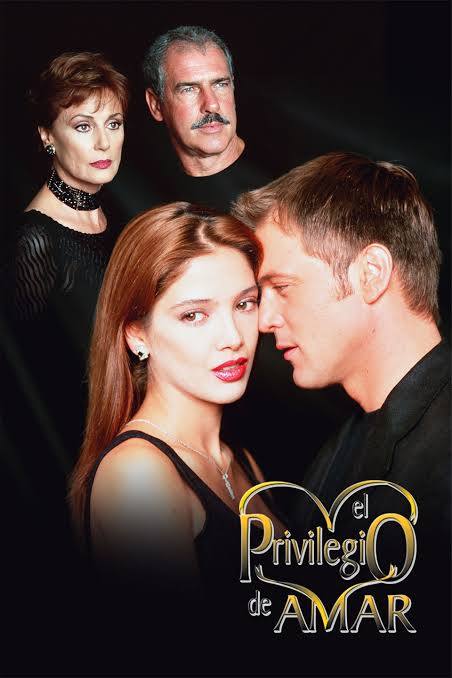
Everything kicks off when Don Francisco Alejo acknowledges Juan as his son on his deathbed, setting off a brutal inheritance battle. Meanwhile, Mónica de Altamira (Edith González) is blindsided when her fiancé Andrés (Ariel López Padilla) runs off with her own sister, the dangerously magnetic Aimée (Ana Colchero). Cornered by scandal and expectations, Mónica makes a shocking move – she marries Juan, the very man society fears, in a desperate bid to hold onto her dignity.
What starts as sacrifice quickly turns into something far more combustible. As Mónica and Juan set sail aboard the Satanás, their connection grows into a fierce, all-consuming love that refuses to play by society’s rules. Their worlds collide – her quiet strength, his untamed fury – and together they challenge everything the elite class thought was untouchable.
This love doesn’t ask for permission.
With its sweeping visuals, unforgettable score, and Eduardo Palomo’s raw, emotionally charged performance, Corazón salvaje transforms a classic romance into something wilder, deeper, and far more dangerous. It’s a story about identity, rebellion, and the kind of love that burns through status, shame, and everything in its path.
What gave it life:
Corazón Salvaje (1993) is 100% old-school telenovela romance, operating at full power. Eduardo Palomo’s Juan del Diablo is brooding, reckless and ridiculously charismatic, while Edith González gives Mónica exactly the right mix of sweetness, backbone and smolder. Their chemistry is the whole meal. Add sweeping period drama, family secrets, forbidden love and enough longing to power a small city, and it’s easy to understand why Corazón Salvaje became a classic. There’s a reason it still earns a place among the Best Mexican Telenovleas decades later.
Where it tripped:
1993 feels like ages ago to some of us, and this novela shows it. Let’s just say it’s very much a product of its era. The pacing can be leisurely, the melodrama occasionally goes full throttle, and some relationship dynamics have definitely not aged as gracefully as Eduardo Palomo’s cheekbones. But honestly? That’s part of the vintage novela experience.
Telebesitos Tip 💋
If you want to understand why people still get misty-eyed over 1990s telenovelas, start here. Juan del Diablo and Mónica didn’t just have chemistry – they practically invented it.